

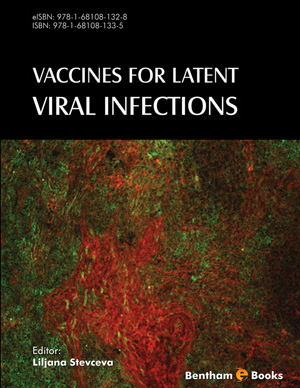
Abstract
Epstein-Barr virus (EBV) infection is associated with a spectrum of fatal diseases including Burkitt’s lymphoma (BL) and nasopharyngeal carcinoma (NPC). Higher incidence of BL and NPC seen in developing world demands an effective vaccine to prevent infection and disease onset. EBV primarily infects people during infant or adolescent ages and establishes latent infection. Vast majority of EBVassociated diseases develop later in immune-compromised individuals, suggesting the link between host immunity and viral reactivation. This chapter discusses viral factors that EBV produces whose interactions with host may determine infection, reactivation, immune evasion and disease progression, and further reviews vaccine formulations tested to date. Knowledge in such viral factors is indispensable for vaccine advances.
Keywords: Epstein-Barr virus, Burkitt’s lymphoma, viral factors, latent infection, nasopharyngeal carcinoma, Herpesviridae, Gammaherpesvirinae, B cells, infectious mononucleosis, EBNA, LMP, lytic phase, latency, EBER, BCRF1, BHRF1, BZLF1, gp350, gp220, virus
Related Journals

Anti-Inflammatory & Anti-Allergy Agents in Medicinal Chemistry

Current Diabetes Reviews
Current Neurovascular Research
Current Respiratory Medicine Reviews

Current Pediatric Reviews
Infectious Disorders - Drug Targets

Current Stem Cell Research & Therapy
Endocrine, Metabolic & Immune Disorders - Drug Targets
Current Alzheimer Research

Current Aging Science
Related Books

Andrology: Current and Future Developments
Male Infertility: An Integrative Manual of Western and Chinese Medicine

Awake Thoracic Surgery

The Anatomical Foundations of Regional Anesthesia and Acute Pain Medicine Macroanatomy Microanatomy Sonoanatomy Functional anatomy
Frontiers in Anti-infective Agents
Frontiers in Anti-infective Agents

Frontiers in Anti-infective Agents

Frontiers in Anti-infective Agents

Frontiers in Anti-infective Agents

Frontiers in Anti-infective Agents