

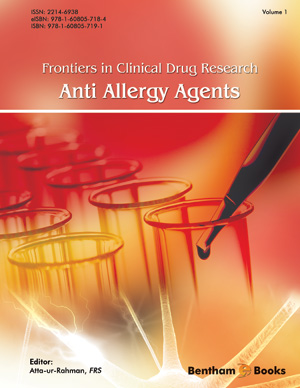
Abstract
Diseases of allergy affecting respiratory and integumentary systems are costly in terms of public health and finance worldwide. Epidemiologic data reveal upwards of 40% of the population in many countries are sensitized to environmental allergens such as grass, tree pollen, dust mite excreta, and animal dander, and exhibit a preponderance of allergic disease. In the face of limited available pharmaceutics, efficacious therapies (particularly those modifying or halting disease progression), are in great need. Despite intense research, a complete understanding of allergic etiology remains elusive. During allergic exacerbation, polarization of T-lymphocyte responses enhances secretion of cytokines involved in regulation of immunoglobulin E, mast cells, basophils, and eosinophils, ultimately provoking inflammation and disease. Traditional pharmacotherapy for allergic disease focuses upon ameliorating the immune response flare to allergen sensitization. A comprehensive understanding of the cellular and molecular mechanisms of allergic disease atop the complex contribution of both genetic and environmental factors will reveal new potential interventions augmenting public health. In 1995, discovery of the novel adipocytokine (a signaling hormone of adipose origin) adiponectin garnered great attention for the protein’s potential role in diabetic and metabolic pathophysiology. In the decades since, research has demonstrated the protein’s strong potential link with asthma. Beyond its essential role in sex hormone signaling, the estrogen membrane receptor also exerts antiinflammatory properties. We shall review the most current information regarding adiponectin and estrogen in context to allergic pathology, encompassing asthma, allergic rhinitis, and immune system components pertaining to inflammation. We will discuss antiinflammatory mechanisms underlying non-traditional pathways of these proteins, including adiponectin’s AMPK-independent signaling pathway and estrogen’s effects via its membrane receptor. Finally, we will provide perspective about the future of research concerning these proteins, and assess their potential therapeutic benefits for allergic disease.
Keywords: Allergic disease, allergy treatment, inflammatory cells, adiponectin, adiponectin receptor, AMPK-independent, estrogen, estrogen receptor, nongenomic effect, oxidative stress.
Related Journals
Anti-Inflammatory & Anti-Allergy Agents in Medicinal Chemistry

Current Diabetes Reviews
Current Neurovascular Research

Current Respiratory Medicine Reviews

Current Pediatric Reviews
Infectious Disorders - Drug Targets

Current Stem Cell Research & Therapy
Endocrine, Metabolic & Immune Disorders - Drug Targets

Current Alzheimer Research
Current Aging Science
Related Books

Andrology: Current and Future Developments
Male Infertility: An Integrative Manual of Western and Chinese Medicine

Awake Thoracic Surgery

The Anatomical Foundations of Regional Anesthesia and Acute Pain Medicine Macroanatomy Microanatomy Sonoanatomy Functional anatomy
Frontiers in Anti-infective Agents
Frontiers in Anti-infective Agents

Frontiers in Anti-infective Agents
Frontiers in Anti-infective Agents

Frontiers in Anti-infective Agents

Frontiers in Anti-infective Agents