

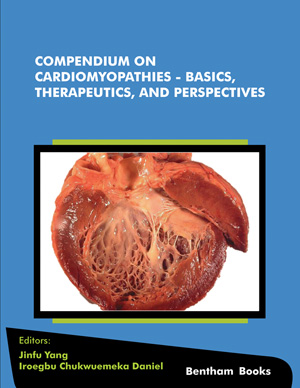
Abstract
Congenital Chagas disease known as a neglected tropical disease can, however, be considered as an ecological model of multiple and complex interactions between parasites, the pregnant woman, placenta, and the unborn child. Indeed, congenital infection is a rather rare event, it can, however, occur and be found in any part of the world and the lack of a well-established surveillance program means that the diagnosis can probably be easily missed putting both the pregnant mother and the fetus, with the newborn at risk. In this era of globalization with the ongoing European immigration policies, Congenital Chagas disease would no longer become confined to only poor rural areas and endemic countries, eventually becoming a significant public health concern. Bearing this in mind, the possibility of Chagasic disease, in general, becoming the new human immunodeficiency virus in third world African countries and developing African nations in the foreseeable future is inevitable. The simple fact that both the policymakers, and the health care providers are ignorant of the disease and also lack both the technical knowledge and understanding of the disease modes of transmission, progression, pathology, and its pathophysiology make it futuristically possible. This chapter aims to discuss the presenting global challenge of this neglected tropical disease, its ecological interactions and also try to better understand the mechanisms sequentially associated with the transmission of live parasites from maternal blood and the development of congenital infection (asymptomatic) or congenital Chagas disease (symptomatic) in the fetus and newborns (in both endemic and non-endemic areas).
Keywords: Acute trypanosomal cruzi infection, Acute repair, Benznidazole, Chagas disease, Cardiomyopathy, Congenital Chagas disease, Congenital infection, Cardiac surgery, Co-infection, Cardiac arrhythmia, Dilated cardiomyopathy, Heart failure, Heart transplantation, Immune response, Immunosuppression, Left ventricular aneurysm, Left ventricle, Magnetic resonance imaging, Maternal and fetal transmission, Microhematocrit, Maternal residence, Neglected tropical disease, Nifurtimox, Organ transplantation, Placenta, Prognosis, PCR, Parasitemia, Risk factors, Trypanosoma cruzi.
Related Journals
Anti-Inflammatory & Anti-Allergy Agents in Medicinal Chemistry
Current Respiratory Medicine Reviews
Infectious Disorders - Drug Targets
Current Aging Science
Anti-Infective Agents
New Emirates Medical Journal
Current Psychopharmacology
Current Dentistry
Adolescent Psychiatry
Current Diabetes Reviews
Related Books

Andrology: Current and Future Developments
Male Infertility: An Integrative Manual of Western and Chinese Medicine

Awake Thoracic Surgery
The Anatomical Foundations of Regional Anesthesia and Acute Pain Medicine Macroanatomy Microanatomy Sonoanatomy Functional anatomy
Frontiers in Anti-infective Agents
Frontiers in Anti-infective Agents
Frontiers in Anti-infective Agents
Frontiers in Anti-infective Agents

Frontiers in Anti-infective Agents

Frontiers in Anti-infective Agents