

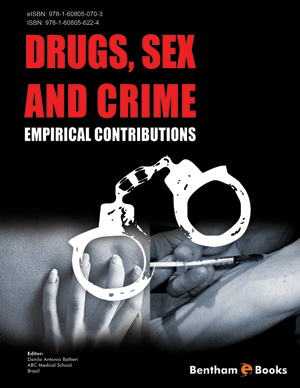
Abstract
According to The First Brazilian Household Survey of Patterns of Alcohol Use, 52% of the 18 years age or older Brazilians drunk at least once in a year, and 60% of males and 33% of females, drunk 5 or more drinks for occasion in the preceding year. Binge drink once in the last year was reported by 28% of the sample and alcohol abuse had a prevalence of 3%. Alcohol dependence ranged from 9% in the over mentioned study to 12.3%, in the Second Household Survey on Drug Abuse, with male prevalence almost three times bigger than female. The latest study, carried out in 2005, showed a prevalence of tobacco lifetime, last year and last month use of 44%, 19.2% and 18.4%, respectively, with quite over 10% of tobacco dependents. Cannabis was the largest lifetime illicit drug used and the rates of last year use of cannabis and cocaine increased between 2001 and 2005 (from 1.0% to 2.6%, and from 0.4% to 0.7%, respectively). Cannabis dependence was found in 1.2% of the sample, mainly among males, and close to 6% at those aged 18-24. In a study performed among street children, last month tobacco cigarette use was the most reported, followed by alcohol, inhalants and cannabis. Data from elementary and high school students reported that the most often drug used among them was alcohol and inhalants. Undergraduate college student surveys pointed towards a significant increasing in both lifetime and last 30 days of cannabis, inhalants and any illicit drug. The First Household Study on Drug Abuse revealed that males had a higher prevalence than females for exposure to situations of physical risk under the influence of alcohol or afterwards, from drink-related personal problems, and from more frequent use or larger quantities of alcohol than intended. Reporting on fights and sexual relation under the influence of alcohol was found in a quarter of the public high school students and in a third of the private high school students from the state of São Paulo. Among urban Brazilian population, history of sexual abuse was a risk factor for drug abuse and regular alcohol use. Leisure activities and absence of religious practice were related to drug use. Injection drug use of cocaine is declining in Brazil, in exchange of increased crack consumption. Driving under the influence of alcohol showed an overall prevalence of 34.7% (42.5% among males and 9.2% among females).

Related Books
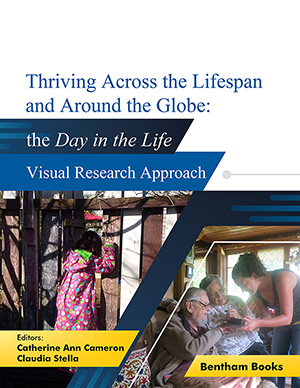
Thriving Across the Lifespan and Around the Globe: Day in the Life Visual Research Approach

Down Country Lanes, Behind Abandoned Houses

An Integrated Geophysical and Geotechnical Assessment of Hazards Around the Abu Serga Church

Serial Killers Around the World: The Global Dimensions of Serial Murder

Jack the Writer: A Verbal & Visual Analysis of the Ripper Correspondence

Virtual and Classroom Learning in Higher Education: A Guide to Effective Online Teaching

Assessment, Accreditation and Ranking Methods for Higher Education Institutes in India: Current Findings and Future Challenges

Physics Education for Students: An Interdisciplinary Approach

Inside the New University: Prerequisites for a Contemporary Knowledge Production

Supervising and Writing a Good Undergraduate Dissertation