

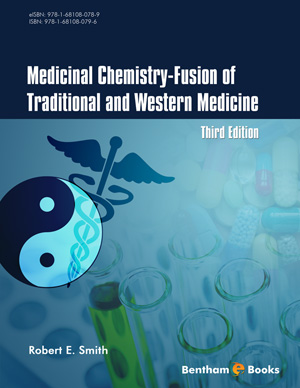
Abstract
The fertility cycle in women is controlled by a cascade of events, which are initiated by protein and steroid hormones. These hormones create signals between the hypothalamus, the pituitary gland and the ovaries. Oral contraceptives contain an estrogen-like drug, ethinyl estradiol. It is combined with any of a number of progestin derivatives. Progestin-only pills are available for women who are breast feeding and those who are not able to tolerate estrogens. There is also an emergency contraceptive to prevent pregnancy after unprotected intercourse, called Plan B. One form consists of two pills, each containing 0.75 mg of levonorgestrel. Mifepristone is a synthetic steroid that is used for the termination of pregnancy up to the 49th day of gestation. It has been tested as a morning after pill to prevent pregnancy when taken within 12 hours of unprotected intercourse. It is also used in combination with another drug called Gemeprost to terminate pregnancies between weeks 13 and 24. In the USA, levonorgestrel is the preferred emergency contraceptive. It can prevent a pregnancy up to 72 hrs after unprotected sex or contraceptive failure. Oxytocin and prostaglandin E2 are also available to induce labor by stimulating uterine contractions. Some women take hormone replacement therapy, in which a low dose of one or more estrogens (conjugated equine estrogens) and a progestin are given. Another approach is to increase the consumption of soybeans and foods made from soybeans (such as soy milk).
Keywords: Gemeprost, Levonorgestrel, Mifepristone, Progestin, Prostaglandin E2, Soy.
Related Journals
Current Chinese Science
Anti-Cancer Agents in Medicinal Chemistry
Current Computer-Aided Drug Design
Current Bioactive Compounds
Current Medicinal Chemistry
Current Topics in Chemistry
The Natural Products Journal
Current Catalysis
Current Chinese Chemistry
Combinatorial Chemistry & High Throughput Screening
Related Books
A Journey Through Water: A Scientific Exploration of The Most Anomalous Liquid on Earth
Advances in Mathematical Chemistry and Applications

Advances in Mathematical Chemistry and Applications
Advances in Mathematical Chemistry and Applications Volume 1 (Revised Edition)

Advances in Organic Synthesis
Advances in Organic Synthesis
Advances in Organic Synthesis
Advances in Organic Synthesis
Advances in Organic Synthesis
Advances in Organic Synthesis