


Abstract
There has been a recent plethora of studies uncovering the newly discovered physiological and pharmacological effects of vitamin D. With an increasing recognition of hypovitaminosis D worldwide, there is much interest to address the clinical significance of vitamin D deficiency and identify the most optimal regimen to replenish the body stores through supplementation. With our growing understanding of the non-mineral/bone activities of vitamin D, such as its effects on immune system, cancer and cardiovascular disease, there is a need to establish the optimal means of assessing vitamin D sufficiency and deficiency, the amount of vitamin D needed for optimal body function and how much vitamin D supplementation is required among individuals. As vitamin D is a pre-hormone that can both be synthesized in the body and obtained from the diet, there are challenges in deriving a recommendation. In addition, the amount of vitamin D present in the body is also influenced by factors such as aging, skin pigmentation, concomitant interacting medications and renal disease. For now, 25(OH)D is commonly used to determine vitamin D body stores in studies and clinical practice. This chapter seeks to discuss the issues surrounding vitamin D supplementation in the light of these new findings and address the concern over the vitamin D deficiency with the view that “more vitamin D is not necessarily better”.
Keywords: Adequate intake (AI), autoimmune diseases, bone health, cancer, estimated average requirement (EAR), 25(OH)D recommendations, 25(OH)D as a biomarker, recommended dietary allowance (RDA), tolerable upper intake level (UL), U.S. Institute of Medicine (IOM), vitamin D toxicity.

Related Books

Micronutrients: The Key to Good Health
Green Extraction Techniques in Food Analysis

Functional Foods for Health Maintenance: Understanding their Role in Cancer Prevention

Advances in the Determination of Xenobiotics in Foods
Algal Functional Foods and Nutraceuticals: Benefits, Opportunities, and Challenges
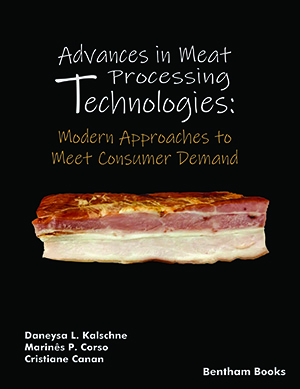
Advances in Meat Processing Technologies: Modern Approaches to Meet Consumer Demand

Application Of Alternative Food-Preservation Technologies To Enhance Food Safety And Stability

Capillary Electrophoresis in Food Analysis

Current Developments in Food and Nutrition Research
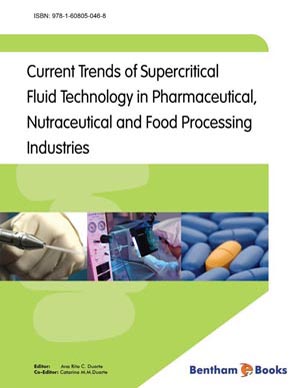
Current Trends of Supercritical Fluid Technology in Pharmaceutical, Nutraceutical and Food Processing Industries