

Abstract
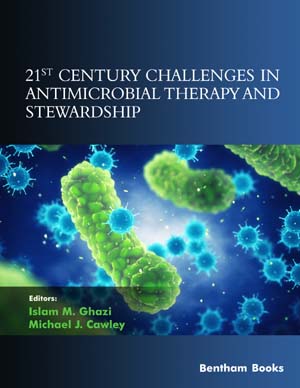
Therapeutic Drug Monitoring (TDM) is the art of measuring the levels of a therapeutic agent in body fluids, most commonly plasma, and interpreting the results in order to adjust dosing such that therapeutic benefit is maximized and toxic effects are prevented. With respect to antibiotics, TDM was traditionally viewed as a method to curtail the side effects of agents with narrow therapeutic indices. However, with improved understanding of pharmacokinetic differences in various patient populations, TDM is evolving to a method by which to ensure adequate benefit in patients whose pharmacokinetic status is in question. Moreover, the ever-increasing surge in antimicrobial-resistant organisms is calling for this practice once more, this time to ensure that drug concentrations are maintained sufficiently large in order to combat infections with such organisms. This book chapter details the use of TDM in different patient populations and for different antimicrobials, with emphasis on how reference PK/PD parameters and drug levels are determined.
Keywords: Aminoglycosides, Antimicrobial Agents, Beta Lactams, Critically Ill Patients, Fluoroquinolones, Glycopeptides, Linezolid, Minimum Inhibitory Concentration, Pharmacodynamics, Pharmacokinetics, PK/PD index, Therapeutic Drug Monitoring, Vancomycin.
Related Journals
Anti-Inflammatory & Anti-Allergy Agents in Medicinal Chemistry
Current Respiratory Medicine Reviews
Infectious Disorders - Drug Targets
Current Aging Science
Anti-Infective Agents
New Emirates Medical Journal
Current Psychopharmacology
Current Dentistry
Adolescent Psychiatry
Current Diabetes Reviews
Related Books

Andrology: Current and Future Developments
Male Infertility: An Integrative Manual of Western and Chinese Medicine

Awake Thoracic Surgery
The Anatomical Foundations of Regional Anesthesia and Acute Pain Medicine Macroanatomy Microanatomy Sonoanatomy Functional anatomy
Frontiers in HIV Research
Frontiers in HIV Research
Anthrax: History, Biology, Global Distribution, Clinical Aspects, Immunology, and Molecular Biology

Antiprotozoal Drug Discovery: A Challenge That Remains
Bacterial Diseases

Congenital Toxoplasmosis in Humans and Domestic Animals