

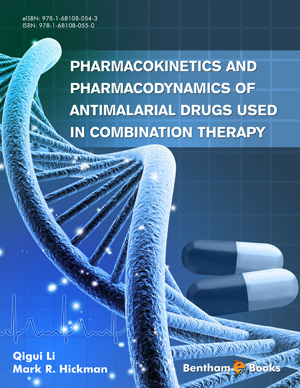
Abstract
Artemisinins are the only currently available mainstream drugs that do not have widespread issues with P. falciparum drug resistance outside of Southeast Asia. Initial reports of artemisinin resistance were noted in western Cambodia near the border with Thailand in 2009 and a possible molecular marker was identified in 2014. For other traditional antimalarial therapies, malaria resistance has been observed to be highly variable and the geographical distribution of resistance and rate of spread have varied significantly. The times for resistance to appear have varied from 278 years for quinine, 35 years for the artemisinins, 12 years for chloroquine, 5 years for mefloquine, 1 year for proguanil, and less than 1 year for sulfadoxine-pyrimethamine and atovaquone. Given the emergence of artemisinin resistance and the possibilities of the spread of resistance out of the border regions of Cambodia, it is essential to prevent the loss of artemisinin combination therapies (ACTs) which are the current first-line treatments for malaria. The use of drugs in combination for treatment of malaria is the best tool to decrease the incidence and spread of malaria drug resistance. The rationale for this approach is threefold: 1) drug combinations are often more effective than monotherapy with one drug; 2) artemisinins substantially reduce gametocyte carriage and thus reduce transmission; and 3) if a mutation arises in a malaria parasite during treatment with one drug, this parasite should still be killed by the partner drug. As each drug protects the other, resistance should be discouraged from occurring. An antimalarial drug combination must provide partners which are each independently capable of treating the disease. In addition, drug combinations used to treat malaria such as the ACTs often provide radical cures of malaria when administered in a 3-day treatment regimen, which also provides protection against emergence of artemisinin resistance.
Keywords: Artemisinin-based combination therapy (ACT), artemisinins, chloroquine, drug combination, malaria, malaria infection, malaria parasite, malaria transmission, mefloquine, proguanil, resistance, resistant spread.
Related Journals
Anti-Inflammatory & Anti-Allergy Agents in Medicinal Chemistry
Current Diabetes Reviews
Current Neurovascular Research
Current Respiratory Medicine Reviews
Current Pediatric Reviews
Infectious Disorders - Drug Targets
Current Stem Cell Research & Therapy
Endocrine, Metabolic & Immune Disorders - Drug Targets
Current Alzheimer Research
Current Aging Science
Related Books

Andrology: Current and Future Developments
Male Infertility: An Integrative Manual of Western and Chinese Medicine

Awake Thoracic Surgery
The Anatomical Foundations of Regional Anesthesia and Acute Pain Medicine Macroanatomy Microanatomy Sonoanatomy Functional anatomy
Frontiers in Anti-infective Agents
Frontiers in Anti-infective Agents
Frontiers in Anti-infective Agents
Frontiers in Anti-infective Agents

Frontiers in Anti-infective Agents

Frontiers in Anti-infective Agents