

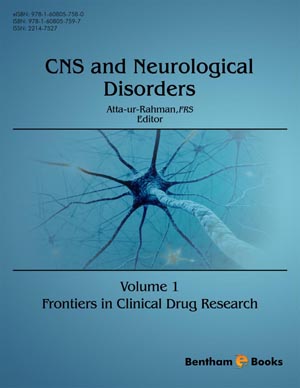
Abstract
Autism spectrum disorders (ASD) are neurodevelopmental disorders with reduced cortical functional connectivity relating to social cognition. The evaluation of pharmacological treatment in ASD has been directed at abnormal developmental trajectories or toward enhancing plasticity during the development of brain. Accumulating evidence indicates that the gross abnormalities in these neurotransmitter systems such as serotonin and dopamine systems may underpin the neurophysiologic mechanism of ASD. Particularly, the serotonergic system may be especially implicated in pathophysiology of social impairment of ASD. Abnormal functional connectivity, which affects the delivery of afferent signals, may be involved in the pathophysiology of autism spectrum disorders (ASD). Arachidonic acid in the nervous system is important in signal transduction related to neuronal maturation. Risperidone solution, a novel antipsychotic which combined dopaminergic and serotonergic action, has shown to be effective in impaired social interaction. Oxytocin may mediate the benefits of positive social interaction and emotions. It is therefore worth noticing that risperidone solution, intranasal administration of oxytocin, and dietary supplementation with arachidonic acid have been found promising to maximize social interaction. Atypical antipsychotics ariprazole and SSRI fluoxetine exhibited their efficacy in treating some aspects of social relatedness or the core deficits of communication and socialization. There is evidence that abnormalities exist in peptide systems such as neuropeptides. GABAB antagonist STX209 has proved its efficacy in improving the ABC-irritability and Social withdrawal subscales. D-cycloserine exhibited significant improvement on social withdrawal subscale of the ABC in some subjects with ASD. It is hoped that improved strategies for early identification with phenotypic characteristics and biological markers (e.g., brain physiological and biochemical changes) would remarkably improve the effectiveness of treatment.
The evaluation of treatments for ASD needs to be directed towards neurobiological targets known to be important in the brain's response to abnormal developmental trajectories or toward enhancing plasticity during the high sensitive period in gene-environment interaction (epigenetic mechanism). Further research towards neurobiology and effective treatments for ASD is required.
Keywords: Autism spectrum disorders, impaired social interaction, neurobiological bases, pharmacologic treatment, risperidone solution, arachidonic acid
Related Journals
Anti-Inflammatory & Anti-Allergy Agents in Medicinal Chemistry
Current Diabetes Reviews
Current Neurovascular Research
Current Respiratory Medicine Reviews
Current Pediatric Reviews
Infectious Disorders - Drug Targets
Current Stem Cell Research & Therapy
Endocrine, Metabolic & Immune Disorders - Drug Targets
Current Alzheimer Research
Current Aging Science
Related Books

Andrology: Current and Future Developments
Male Infertility: An Integrative Manual of Western and Chinese Medicine

Awake Thoracic Surgery
The Anatomical Foundations of Regional Anesthesia and Acute Pain Medicine Macroanatomy Microanatomy Sonoanatomy Functional anatomy
Frontiers in Anti-infective Agents
Frontiers in Anti-infective Agents
Frontiers in Anti-infective Agents
Frontiers in Anti-infective Agents

Frontiers in Anti-infective Agents

Frontiers in Anti-infective Agents