

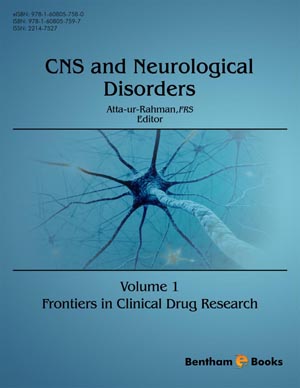
Abstract
Posttraumatic stress disorder (PTSD) is a complex disorder associated with an intricate biological and psychological symptom profile and various common comorbidities. Despite the availability of various treatment strategies, PTSD is often difficult to treat. Several researchers have proposed that impaired fear extinction is involved in the pathophysiology of PTSD. Therefore, enhancing fear extinction using cognitive enhancers could be a new modality for the treatment of PTSD. To date, various cognitive enhancers that alter GABAergic, glutamatergic, dopaminergic, noradrenergic, and cannnabinoid pathways have been investigated in animal models of fear extinction. The present review focuses on D-cycloserine (DCS), a partial agonist of N-methyl-D-aspartate (NMDA) receptors, and on histone deacetylase (HDAC) inhibitors. Herein, we provide an overview of the effects of these agents, the clinical implications and drawbacks associated with their use, and directions for future research. Many preclinical and clinical studies of DCS have demonstrated a facilitating effect on fear extinction. Thus, among various cognitive enhancers, DCS seems to be the most promising agent for the treatment of PTSD. However, recent clinical studies of DCS in PTSD have not demonstrated sufficient efficacy. Several preclinical studies have also revealed that administration of HDAC inhibitors with exposure therapy can enhance fear extinction. However, no clinical studies have been conducted to assess the efficacy of HDAC inhibitors in PTSD; therefore, it is recommended that clinical trials of HDAC inhibitors be conducted in the future.
Keywords: Cognitive enhancers, D-cycloserine, fear extinction, histone, HDAC inhibitors, posttraumatic stress disorder, vorinostat, NMDA receptor, NR2B, hippocampus.
Related Journals
Anti-Inflammatory & Anti-Allergy Agents in Medicinal Chemistry
Current Diabetes Reviews
Current Neurovascular Research
Current Respiratory Medicine Reviews
Current Pediatric Reviews
Infectious Disorders - Drug Targets
Current Stem Cell Research & Therapy
Endocrine, Metabolic & Immune Disorders - Drug Targets
Current Alzheimer Research
Current Aging Science
Related Books

Andrology: Current and Future Developments
Male Infertility: An Integrative Manual of Western and Chinese Medicine

Awake Thoracic Surgery
The Anatomical Foundations of Regional Anesthesia and Acute Pain Medicine Macroanatomy Microanatomy Sonoanatomy Functional anatomy
Frontiers in Anti-infective Agents
Frontiers in Anti-infective Agents
Frontiers in Anti-infective Agents
Frontiers in Anti-infective Agents

Frontiers in Anti-infective Agents

Frontiers in Anti-infective Agents