

Abstract
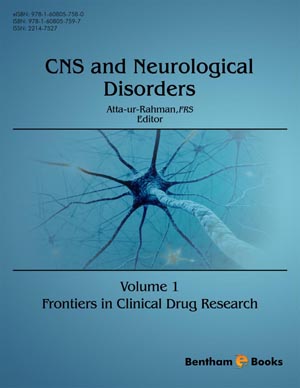
The diseases of drug addiction and alcoholism are characterized by a transition from experimental and recreational use to uncontrolled and compulsive intake, often accompanied by chemical dependence. The primary therapeutic target of drug abuse is the persistent craving experienced by abstinent patients that precedes relapse to drug taking. Growing clinical and preclinical evidence indicates negative affect and dysphoria as important contributors to drug and alcohol craving. Due to the high comorbidity between drug use disorders and other psychological disorders, including depression and anxiety, there is an interest in the potential use of readily available antidepressant drugs as preventative treatments against drug and alcohol relapse. This chapter provides an overview of preclinical and clinical research investigating these indications, and explains the animal models used to obtain information about the treatment potential of various pharmaceutical compounds. Overviews of primary neurotransmitter targets and pharmacokinetic aspects of the therapeutic compounds are provided throughout the chapter.
Keywords: Antidepressants, central nervous system, addiction, alcoholism, chemical dependence, neurochemical tolerance, stress, neurotransmitter, norepinephrine, psychostimulants.
Related Journals
Anti-Inflammatory & Anti-Allergy Agents in Medicinal Chemistry
Current Diabetes Reviews
Current Neurovascular Research
Current Respiratory Medicine Reviews
Current Pediatric Reviews
Infectious Disorders - Drug Targets
Current Stem Cell Research & Therapy
Endocrine, Metabolic & Immune Disorders - Drug Targets
Current Alzheimer Research
Current Aging Science
Related Books

Andrology: Current and Future Developments

Male Infertility: An Integrative Manual of Western and Chinese Medicine

Awake Thoracic Surgery
The Anatomical Foundations of Regional Anesthesia and Acute Pain Medicine Macroanatomy Microanatomy Sonoanatomy Functional anatomy
Frontiers in Anti-infective Agents
Frontiers in Anti-infective Agents

Frontiers in Anti-infective Agents
Frontiers in Anti-infective Agents

Frontiers in Anti-infective Agents

Frontiers in Anti-infective Agents