

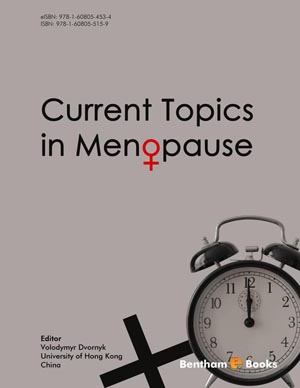
Abstract
Cardiovascular disease is the major cause of mortality in women and in men. The incidence of cardiac events in women is lower than in men during the fertile age but increases after menopause. Sex hormones exert significant effects on the cardiovascular system and ovarian hormone deficiency associated with menopause may play an important role in the development of cardiovascular diseases. The reduced risk of cardiovascular diseases associated with hormone replacement therapy, reported in the observational studies, has not been subsequently confirmed in the randomized clinical trials. Thus, hormone replacement therapy is not recommended for cardiovascular prevention. It is extremely important to carefully assess the risk of cardiovascular diseases in women in the peri- and postmenopausal period, in order to develop appropriate prevention strategies. Risk assessment should be extended to older age groups in order to account for the delayed onset of cardiovascular diseases in women. Some therapeutic options may not be equally effective and safe in men and women. However, under-representation of women in cardiovascular research has been demonstrated. The EuroHeart project showed that the 62 randomized clinical trials published between 2006 and 2009 enrolled 33.5% of women and only 50% of the trials reported the analysis of the results by gender. Cardiovascular clinical trials enrolling a significant proportion of women to allow for pre-specified gender analysis should be conducted. Enrolment criteria and follow-up duration should allow the inclusion of women at risk of developing cardiac events.
Keywords: Women, menopause, age, cardiovascular disease, cardiovascular risk score, smoking, hypertension, hyperlipidemia, diabetes, prevention, sex hormones, hormone replacement therapy, observational studies, randomized controlled trials, guidelines.
Related Journals
Anti-Inflammatory & Anti-Allergy Agents in Medicinal Chemistry
Current Diabetes Reviews
Current Neurovascular Research
Current Respiratory Medicine Reviews
Current Pediatric Reviews
Infectious Disorders - Drug Targets
Current Stem Cell Research & Therapy
Endocrine, Metabolic & Immune Disorders - Drug Targets
Current Alzheimer Research
Current Aging Science
Related Books

Andrology: Current and Future Developments
Male Infertility: An Integrative Manual of Western and Chinese Medicine

Awake Thoracic Surgery
The Anatomical Foundations of Regional Anesthesia and Acute Pain Medicine Macroanatomy Microanatomy Sonoanatomy Functional anatomy
Frontiers in Anti-infective Agents
Frontiers in Anti-infective Agents
Frontiers in Anti-infective Agents
Frontiers in Anti-infective Agents

Frontiers in Anti-infective Agents

Frontiers in Anti-infective Agents