

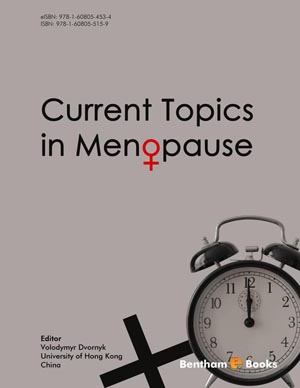
Abstract
Bone is a metabolically active tissue that undergoes continuous regeneration, which provides the skeleton its regenerative and functional adaptation capacity. Although there have been significant advances in the understanding of the mechanism remodelling process in recent years, there is still much to learn on many aspects. The regulation of bone remodelling is a complex process that it integrates different stimuli such as mechanical factors, hormones, cytokines and growth factors. In younger individuals, the bone mass remains practically unchanged, while menopause, aging and some diseases alter bone balance. The main effect of menopause on the skeleton is increased bone resorption resulting in bone loss, which also influences the decrease in intestinal and renal absorption of calcium. The estrogen deficiency plays an important role in the changes of bone mass and calcium metabolism. The bone loss begins in the perimenopausal period but persist until the end of life and it is the main cause of osteoporotic fractures in older women.
Keywords: Menopause, bone remodelling, bone mass, osteoporosis, osteoporotic fractures, osteoblast, osteoclast, osteocyte, bone turnover markers, estrogen, aging.
Related Journals

Anti-Inflammatory & Anti-Allergy Agents in Medicinal Chemistry
Current Diabetes Reviews
Current Neurovascular Research
Current Respiratory Medicine Reviews
Current Pediatric Reviews
Infectious Disorders - Drug Targets
Current Stem Cell Research & Therapy
Endocrine, Metabolic & Immune Disorders - Drug Targets
Current Alzheimer Research
Current Aging Science
Related Books

Andrology: Current and Future Developments
Male Infertility: An Integrative Manual of Western and Chinese Medicine

Awake Thoracic Surgery
The Anatomical Foundations of Regional Anesthesia and Acute Pain Medicine Macroanatomy Microanatomy Sonoanatomy Functional anatomy
Frontiers in Anti-infective Agents
Frontiers in Anti-infective Agents

Frontiers in Anti-infective Agents
Frontiers in Anti-infective Agents

Frontiers in Anti-infective Agents

Frontiers in Anti-infective Agents