

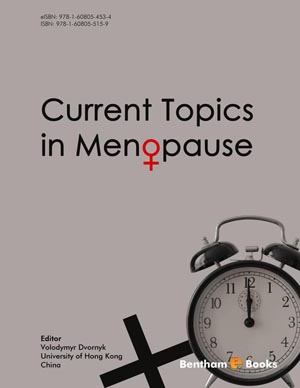
Abstract
Women experience two lifetime reproductive transitions (puberty and perimenopause). The purposes of this chapter are to propose an update in terminology for the transition to menopause, to describe the hormonal changes during this important life phase and to show that perimenopause is a time of major bone loss. This new terminology means that any woman over the age of 35 (and sometimes younger) who, despite regular flow, experiences typical midlife changes (such as night sweats, heavy flow, increased cramps) is considered to have entered early perimenopause. Late perimenopause is the 12 months after the last menstruation. Menopause (sometimes called “postmenopause”) then commences and continues for the remainder of women’s lives. Hormonal changes in perimenopause are extremely complex and reflect dys-regulation and eventual cessation of the highly coordinated interplay of ovarian, pituitary and hypothalamic hormones within the menstrual cycle. Among other changes, perimenopausal estradiol levels are variable and often higher, ovulation becomes disturbed and luteal phase progesterone levels become lower. A second, higher estradiol peak (luteal-out-of-phase event, LOOP) may also occur. Bone changes are primarily related to variable estradiol, insufficient progesterone and perhaps to increasing gonadotropin levels. Usual weight gain decreases midlife bone loss. Increased cancellous bone loss in the spine (by quantitative computed tomography) and total hip (dual energy X ray absorptiometry) are primarily related to higher bone resorption, and become maximal in the late menopausal transition and late perimenopause. In summary, the perimenopause involves major changes in experiences, menstrual cycles, hormone levels and bone physiology.
Keywords: Perimenopause, early menopause transition, late menopause transition, vasomotor symptoms, night sweats, hot flushes, estradiol, progesterone, anovulation, short luteal phase cycles, inhibin, anti-mullerian hormone, follicle stimulating hormone, ovulation disturbances, bone loss, osteoporosis risk.
Related Journals
Anti-Inflammatory & Anti-Allergy Agents in Medicinal Chemistry
Current Diabetes Reviews
Current Neurovascular Research
Current Respiratory Medicine Reviews
Current Pediatric Reviews
Infectious Disorders - Drug Targets
Current Stem Cell Research & Therapy
Endocrine, Metabolic & Immune Disorders - Drug Targets
Current Alzheimer Research
Current Aging Science
Related Books

Andrology: Current and Future Developments
Male Infertility: An Integrative Manual of Western and Chinese Medicine

Awake Thoracic Surgery
The Anatomical Foundations of Regional Anesthesia and Acute Pain Medicine Macroanatomy Microanatomy Sonoanatomy Functional anatomy
Frontiers in Anti-infective Agents
Frontiers in Anti-infective Agents
Frontiers in Anti-infective Agents
Frontiers in Anti-infective Agents

Frontiers in Anti-infective Agents

Frontiers in Anti-infective Agents