

Abstract
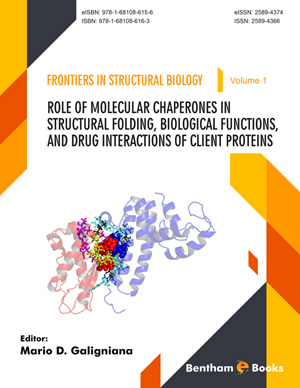
The HSP70 family of molecular chaperones plays a significant role in cancer. Notably, the inducible protein Hsp72 becomes expressed in many cancers, often to high levels and underlies escape of tumor cells from senescence and increased tumor initiation and metastasis. Examination of database suggests that mutation within the ORFs of HSP70 genes in cancer is relatively rare suggesting a requirement for intact function. At the molecular level, Hsp72 is thought to chaperone key proteins in tumorigenesis and permit their accumulation in the malignant cell. In addition, an important role for Hsp72 in RNA metabolism is emerging, indicating mechanisms potentially involving the RNA binding protein HuR. The existence of multiple HSP70 pseudogenes may also be important for future studies of long non-coding RNA (lncRNA) regulation through this family of chaperones. As the significance of this family of chaperones in cancer emerges, small molecule inhibitors have been developed as future potential cancer pharmaceuticals. We discuss the targeting of individual HSP70 families at key functional domains in the proteins.
Keywords: Heat shock protein seventy, Structure, Function, Cancer, Growth, Metastasis, Chemical inhibitor, Substrate, Domain, ATPase, Drug.





Related Books

Industrial Applications of Soil Microbes

Industrial Applications of Soil Microbes
Biomarkers in Medicine

Biopolymers Towards Green and Sustainable Development

Algal Biotechnology for Fuel Applications

The Wax Moth: A Problem or a Solution?
Taurine and the Mitochondrion: Applications in the Pharmacotherapy of Human Diseases

An Introduction to Mycosporine-Like Amino Acids

Bioremediation for Environmental Pollutants

Bioremediation for Environmental Pollutants